

Briarwood Heating & Cooling Blog
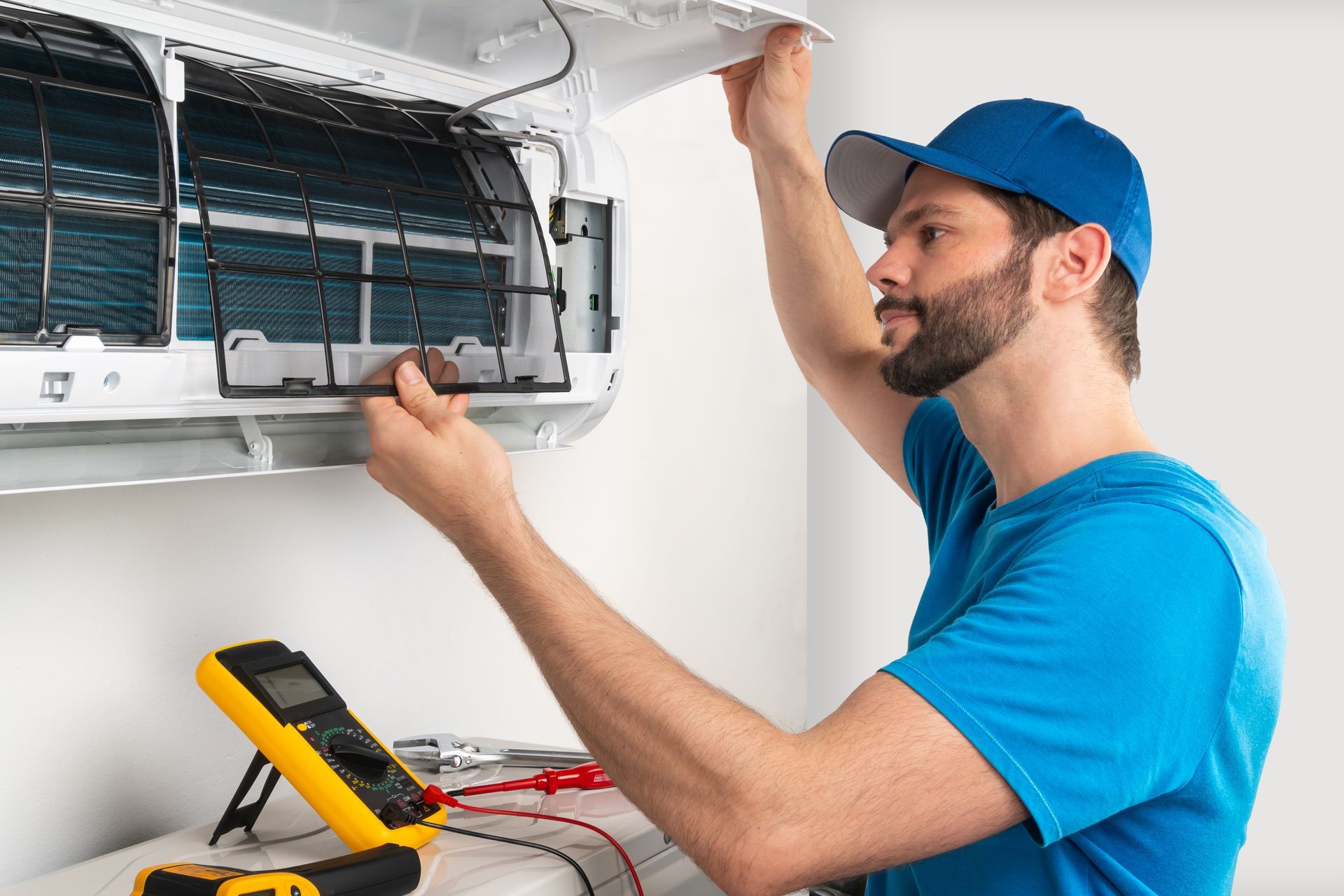
Spot the signs you need emergency AC repair in Sterling Heights, MI. Briarwood Heating & Cooling offers fast, expert service. Contact us today to begin.
Briarwood Heating & Cooling is your furnace repair company for Sterling Heights, MI. Call 248-299-8126 for fair pricing!
For trusted emergency AC repair in Sterling Heights, MI, contact Briarwood Heating & Cooling. Expert care, 24/7 availability, and clear pricing. Click here!
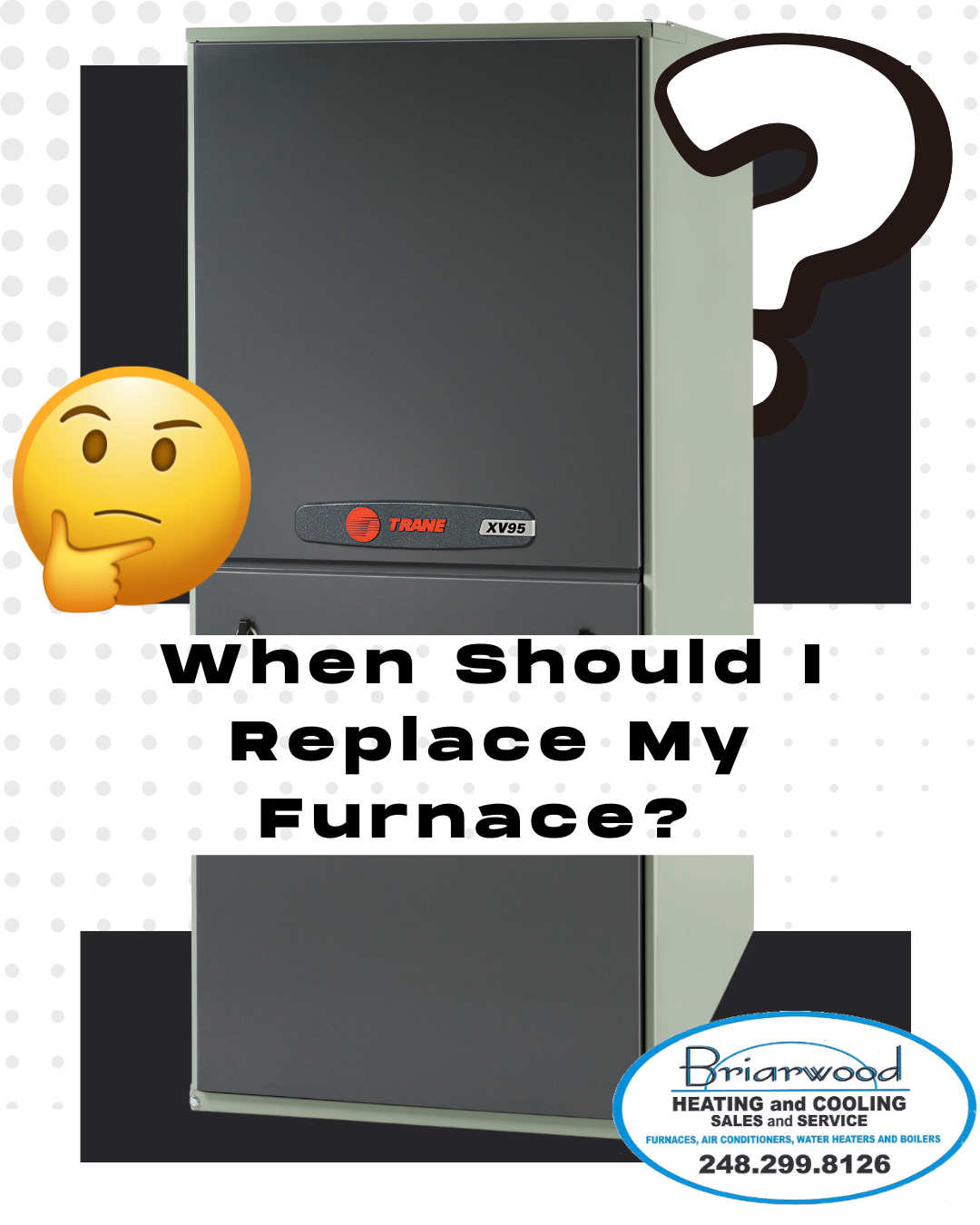
Your furnace has been keeping your family warm through Michigan winters for years. But lately, something's off. Maybe it's strange noises, climbing energy bills, or that one bedroom that never warms up. You're wondering: Is it time to replace my furnace? After nearly 30 years serving Rochester Hills, Shelby Township, Sterling Heights and surrounding areas; we have completed thousands of furnace installations, we know this decision isn't always or simple. Here's our honest guide to help you decide. The Quick Answer Most furnaces should be replaced between 15-20 years . But age isn't everything. The best time to replace is when: Repair costs exceed 50% of replacement cost Energy bills have increased 15-30% over recent years Your comfort is suffering (cold rooms, constant breakdowns) Safety concerns arise (yellow flames, CO risks) Let's break down the seven clear signs it's time for a new furnace. 7 Signs It's Time to Replace Your Furnace 1. Your Furnace Is 15+ Years Old Even if it "still works," furnaces over 15 years old are operating on borrowed time. Furnaces over 15 years old are: 40% more likely to need emergency repairs 25-35% less efficient than modern systems Costing you $400-600 extra per year in energy The efficiency gap: Your 2005 furnace might have been 90% efficient when new. Today's models hit 95-98% efficiency with variable-speed operation your old system never had. Real savings: A homeowner with a 2,000 sq ft home can save $400-600 annually upgrading from an 80% system to a 96% AFUE furnace. 2. Repair Costs Are Adding Up The 50% Rule: If a single repair costs more than 50% of a new furnace, replacement usually makes more sense—especially if your system is 15+ years old. The "death spiral" pattern: Winter 2023: Blower motor - $450 Winter 2024: Ignitor and sensor - $580 Winter 2025: Control board - $720 Total: $1,750 over 3 years That $1,750 could have been a down payment on a new system with a 10-year warranty. When repair makes sense: Furnace under 10 years old Single isolated problem Repair under $500 Well-maintained system You're moving within 2-3 years 3. Energy Bills Keep Climbing What's normal: 3-5% annual increases (utility rates) Red flag: 15-30% increases over 2-3 years with similar usage Why it happens: Heat exchangers corrode, blower motors wear down, sensors drift, and debris accumulates. Your furnace runs longer to heat your home, burning more gas. 4. Uneven Heating Throughout Your Home "The upstairs is freezing while the main floor is a sauna." Sound familiar? Why old furnaces create hot/cold spots: Single-stage operation: They're either blasting at 100% or completely off Fixed-speed blowers: Can't adjust to different zones Improper sizing: Oversized systems short-cycle and create temperature swings Ductwork issues: Aging furnaces can't compensate anymore Modern solution: Variable-speed, two-stage furnaces run longer at lower speeds, distributing heat evenly throughout your home. 5. Frequent Breakdowns Listen, we like that you keep us on speed dial when something goes wrong. However, If you're calling for repairs more than once every 2-3 years, you're in the "failure zone." Why breakdowns accelerate: Parts become discontinued/scarce One failure stresses other components Diagnosis becomes more complex The emergency premium: Furnaces break during polar vortexes, not mild October afternoons. Emergency repairs cost 50-80% more due to overtime rates, rush parts, and high demand. 6. Strange Noises You've Never Heard Furnaces should be relatively quiet. New sounds often signal impending failure. Loud banging at startup: Delayed ignition (gas building up then igniting). Can crack heat exchangers and cause CO leaks. Common on 12+ year systems. Constant rattling/vibrating: Blower wheel imbalance or failed motor mounts. Repair costs $400-900—usually not worth it on 15+ year furnaces. Squealing/screeching: Blower motor bearings failing. Gets louder over weeks, eventually fails completely (usually during the coldest week). Rumbling after burner shuts off: Potentially cracked heat exchanger. This is a safety emergency. Shut off your furnace and call us immediately at 248-299-8126. Modern furnaces are remarkably quiet. If yours sounds like a jet engine, it's time for an upgrade. 7. Yellow or Flickering Burner Flame (SAFETY CRITICAL) What's healthy: Steady, blue flame (perhaps small yellow tip) What's dangerous: Mostly yellow/orange flame, flickering, or visible soot What it means: Incomplete combustion, which causes: Carbon monoxide production (safety risk) Wasted energy (higher bills) Soot buildup (damages components) Common causes on 15+ year furnaces: Cracked heat exchanger Dirty burners (years of buildup) Improper air mixture Failing gas valve CARBON MONOXIDE WARNING: If you notice: Yellow flame Soot around furnace Family headaches or flu-like symptoms CO detector alarming SHUT OFF YOUR FURNACE IMMEDIATELY and call us at 248-299-8126. This is a genuine emergency. We typically recommend immediate replacement for furnaces with yellow flames over 15 years old, as repair costs approach new system costs. The Repair vs. Replace Decision Tree REPAIR Makes Sense: ✅ Under 10 years old ✅ Single, clear issue ✅ Repair under $500 ✅ Well-maintained ✅ Energy bills stable ✅ Moving within 2-3 years REPLACE Makes Sense: ✅ 15+ years old ✅ Multiple/recurring issues ✅ Repair over $1,000 ✅ Bills increasing significantly ✅ Uneven heating ✅ Staying 5+ years ✅ Safety concerns High-Efficiency vs. Standard: Worth It? Quick comparison for 2,000 sq ft home: 80% AFUE (Standard): Installed: $3,800-4,800 Annual heating: ~$1,450 10-year total: ~$18,300 96% AFUE (High-Efficiency): Installed: $5,500-7,000 Annual heating: ~$1,085 10-year total: ~$16,350 Net savings over 10 years: $1,950+ Payback: 4-5 years High-efficiency also provides: Better comfort (variable-speed = even temps) 50-70% quieter operation Better air filtration Higher home resale value Our recommendation: For homeowners staying 5+ years, high-efficiency systems almost always make financial sense AND provide dramatically better comfort. Financing & Incentives (2026) Financing: 0% for 18 months No prepayment penalties Federal Tax Credits: Up to $600 for 97%+AFUE furnaces Utility Rebates: DTE Energy: gas customers Up to $300 Consumers Energy: Up to $300 Total savings example: 97%AFUE furnace: $6200 Federal credit: -$600 Consumer Energy gas rebate: -$300 Net cost: $ 5300 or $294/month for 18 months (0% APR) with a minimum monthly payment for approved homeowners Why Choose Briarwood? 25+ Years Serving Rochester Hills We're your neighbors. Family-owned. Built on trust. Always here. Trane Comfort Specialist Elite dealer status with factory-extended warranties and advanced training. 4.9 Stars, 580+ Google Reviews Our reputation speaks for itself. 24/7 Emergency Support Real humans, real availability.
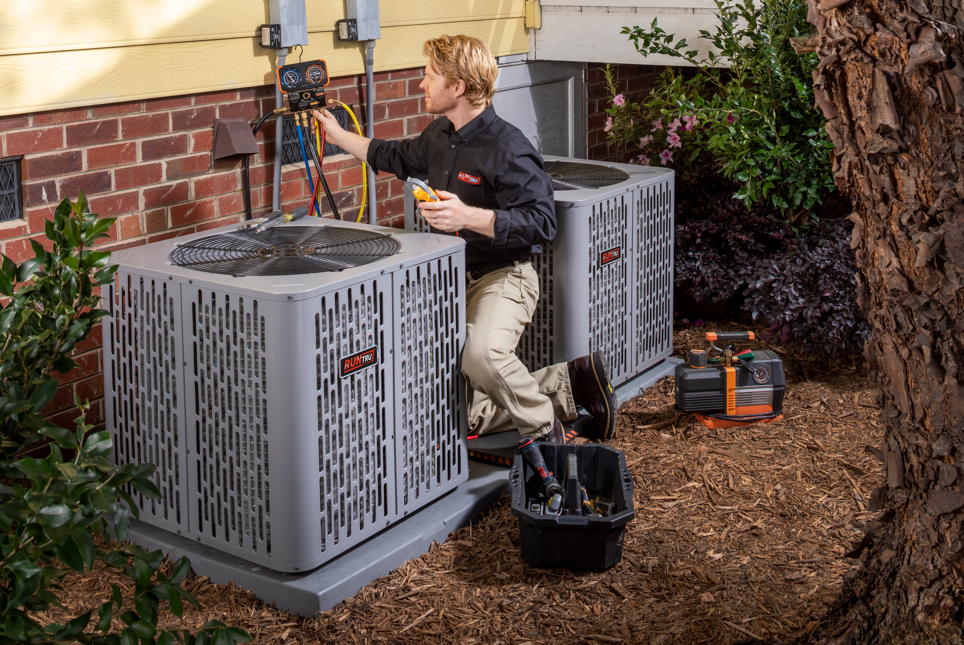
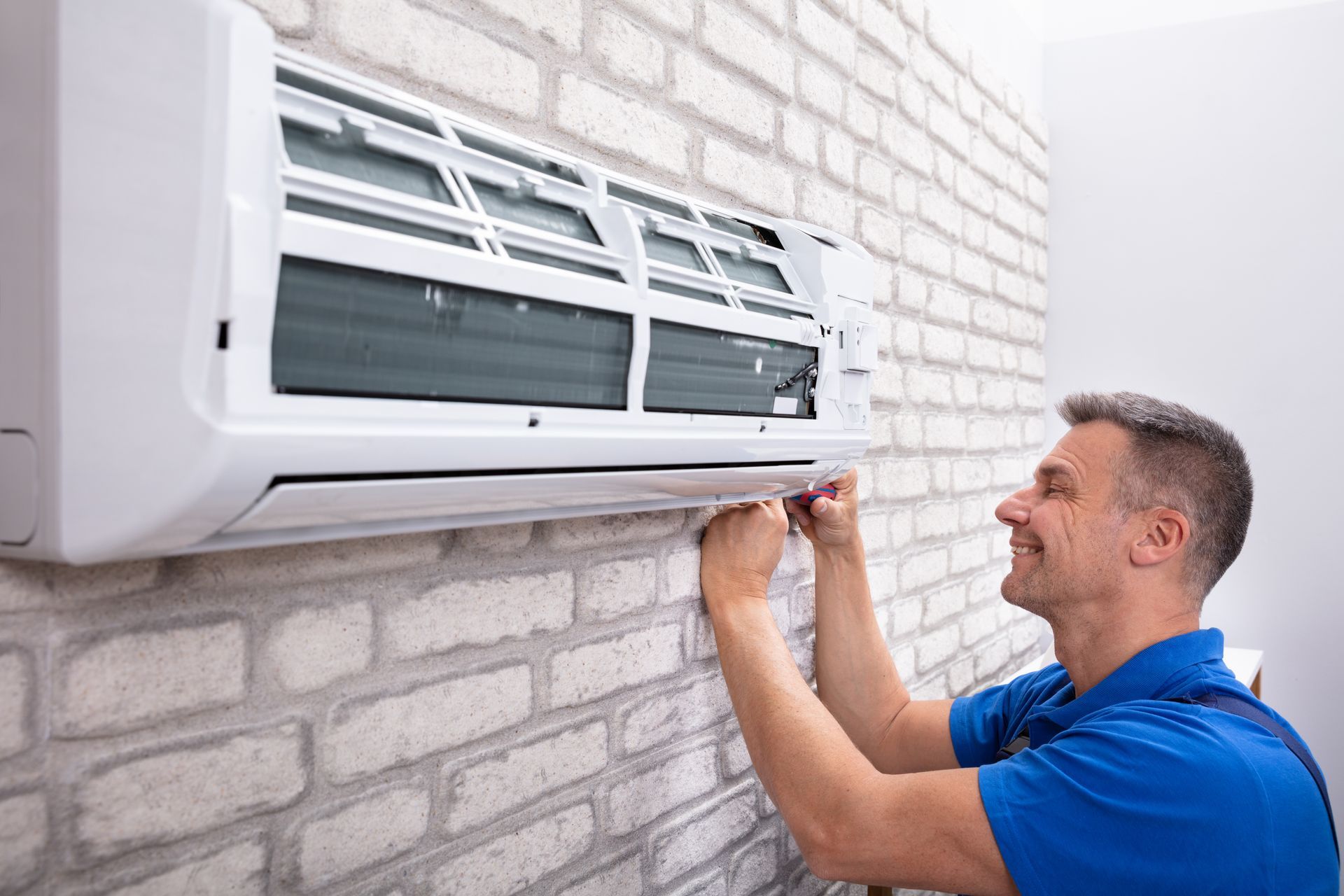
Learn how to choose the best AC repair in Sterling Heights, MI. Briarwood Heating & Cooling shares expert tips to help you hire with confidence. Click now!
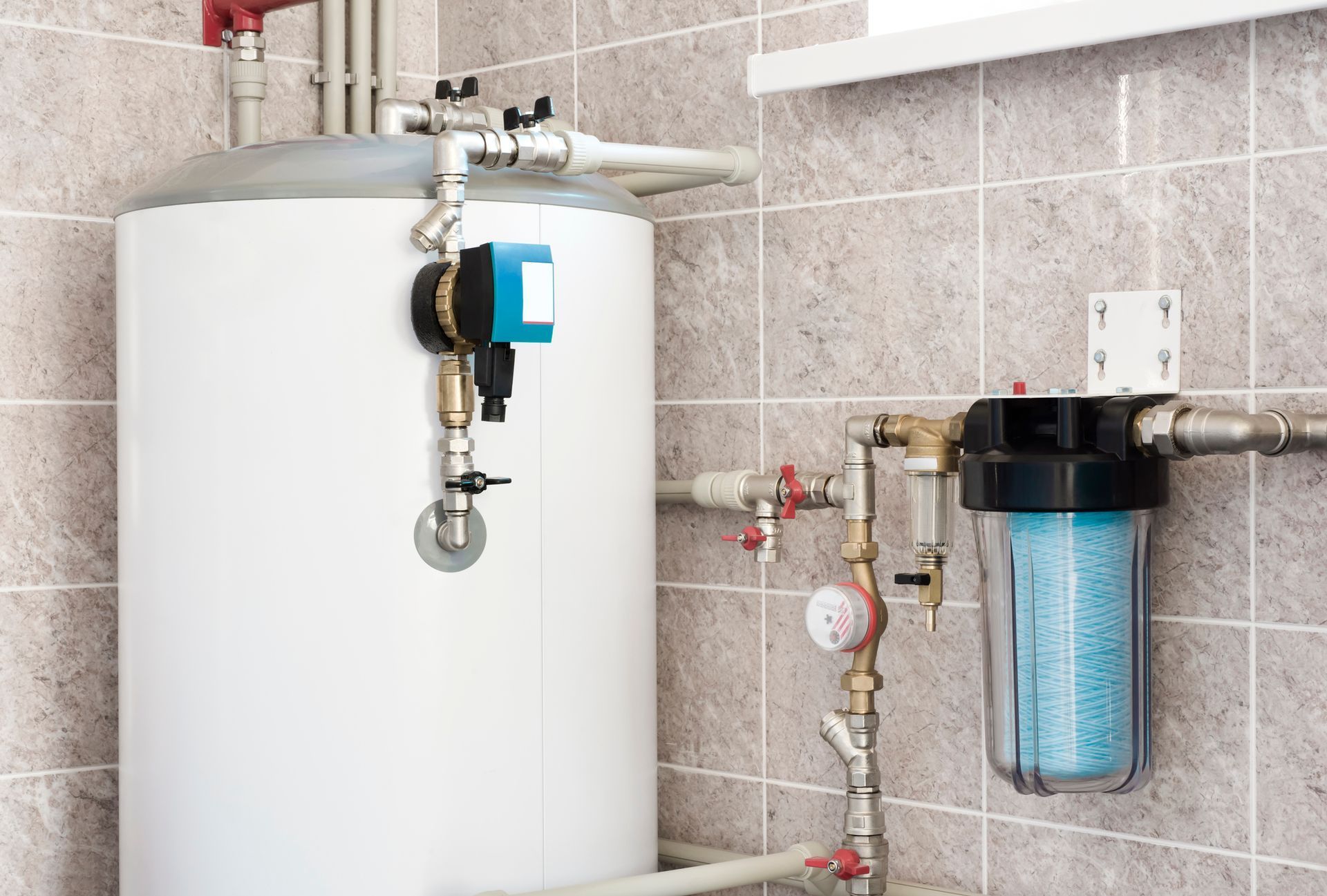
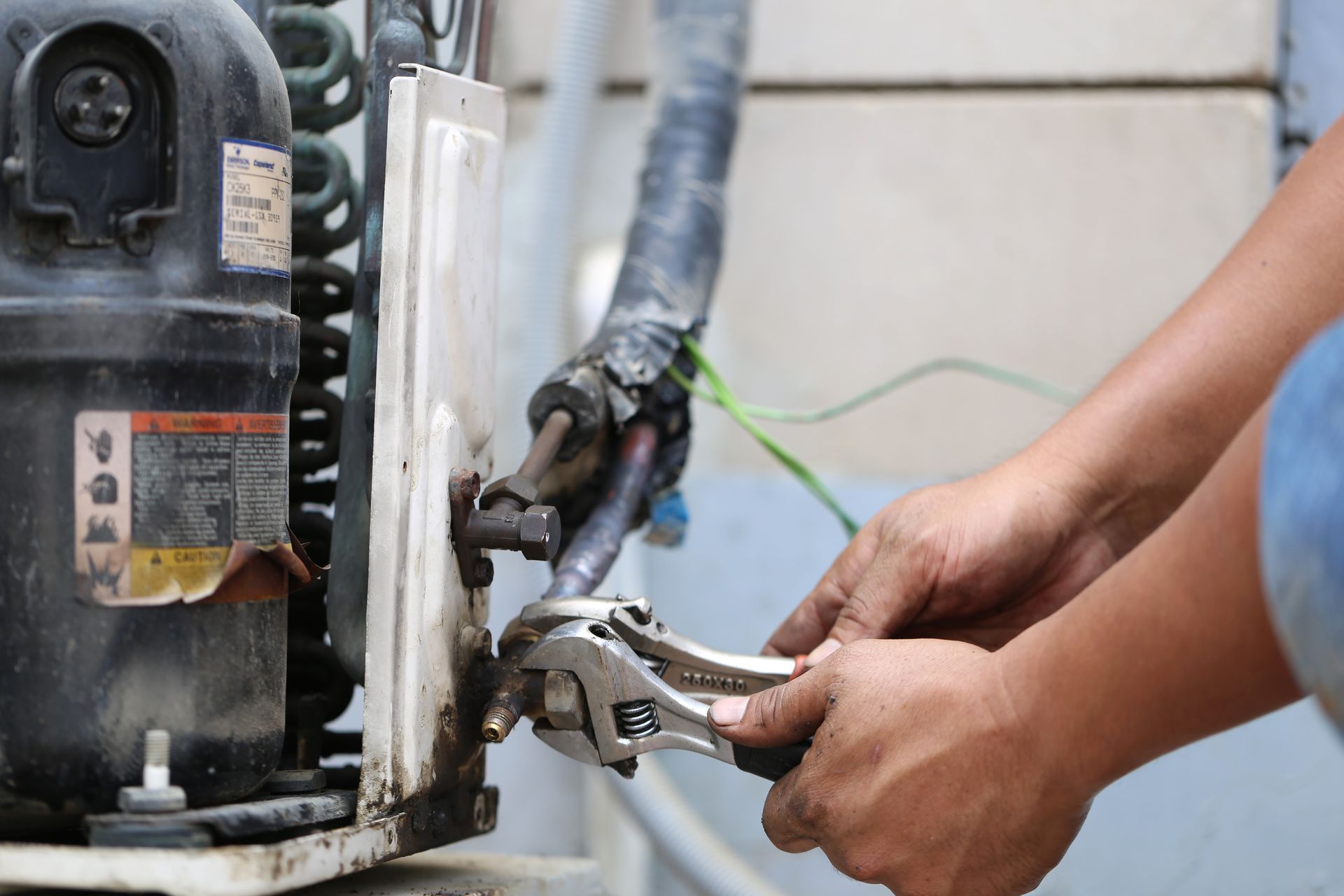
Need boiler system repair in Grosse Pointe, MI? Call Briarwood Heating & Cooling at (248) 299-8126 for expert service today!
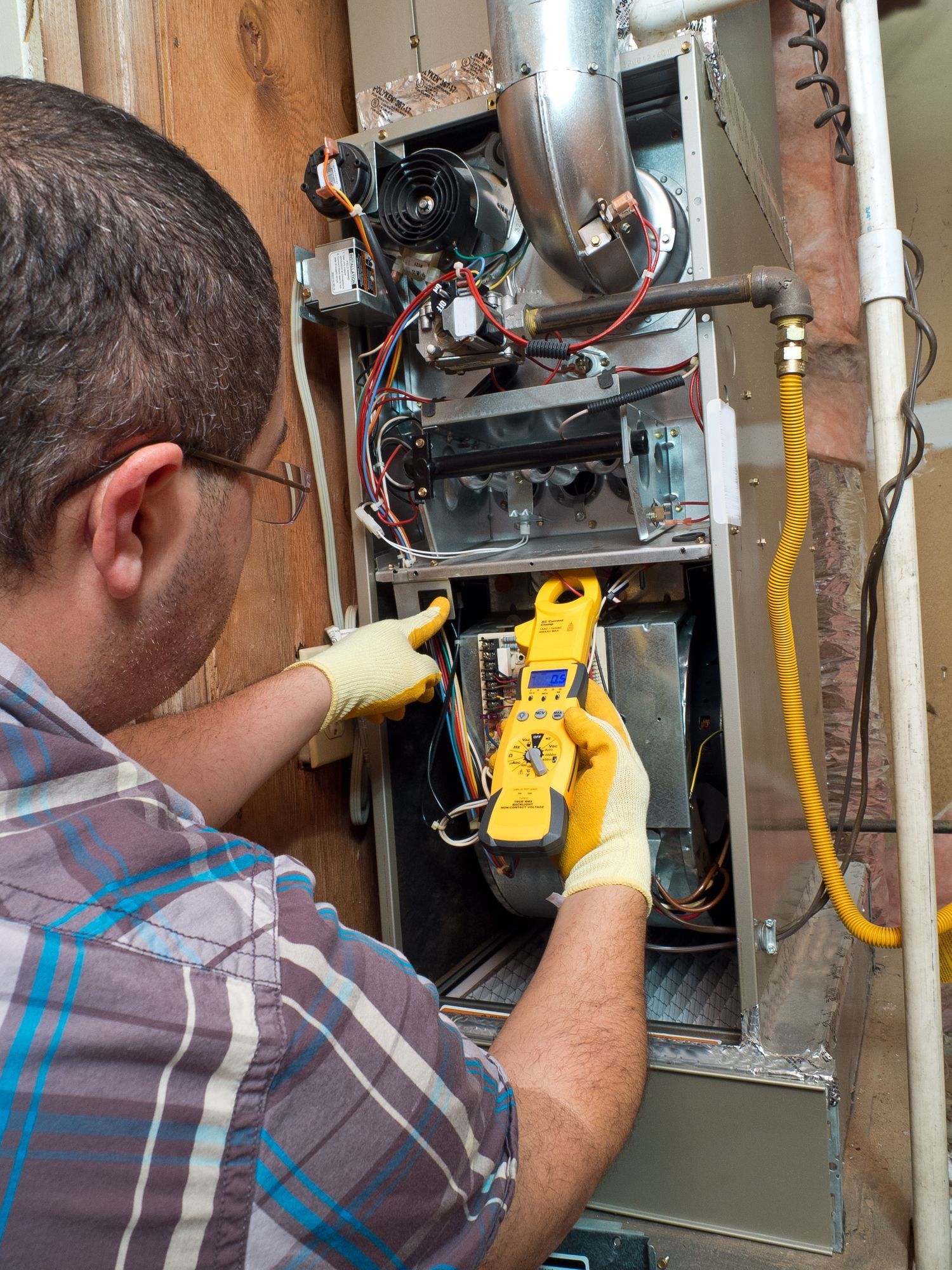
Trust Briarwood Heating & Cooling for furnace repair in Shelby Township, MI. Experience, reputation, and service you can count on. Click here for more info!
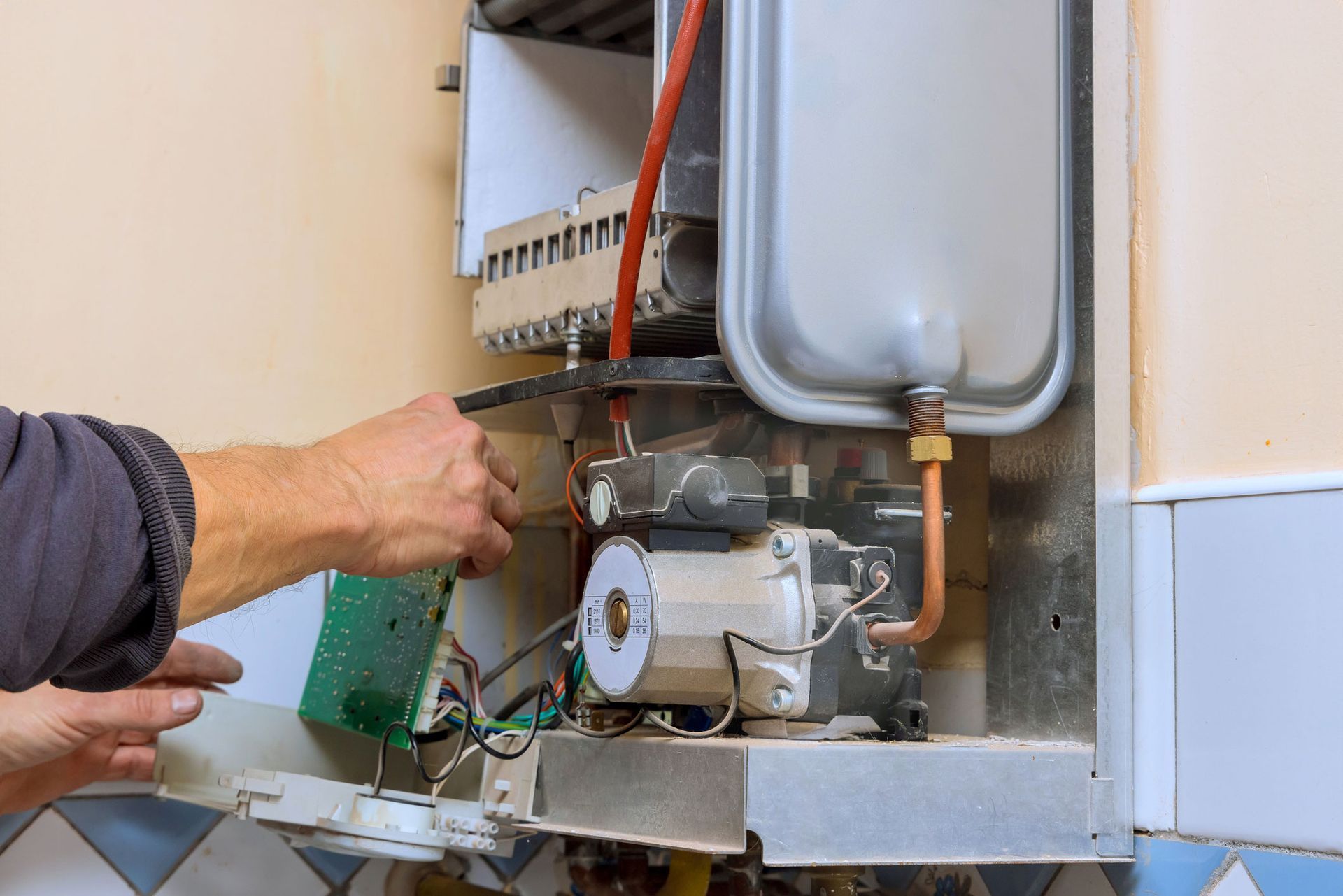
A boiler system repair can save homeowners in Grosse Pointe, MI, money on energy bills and replacements. Call us today at 248-299-8126 for a free estimate!
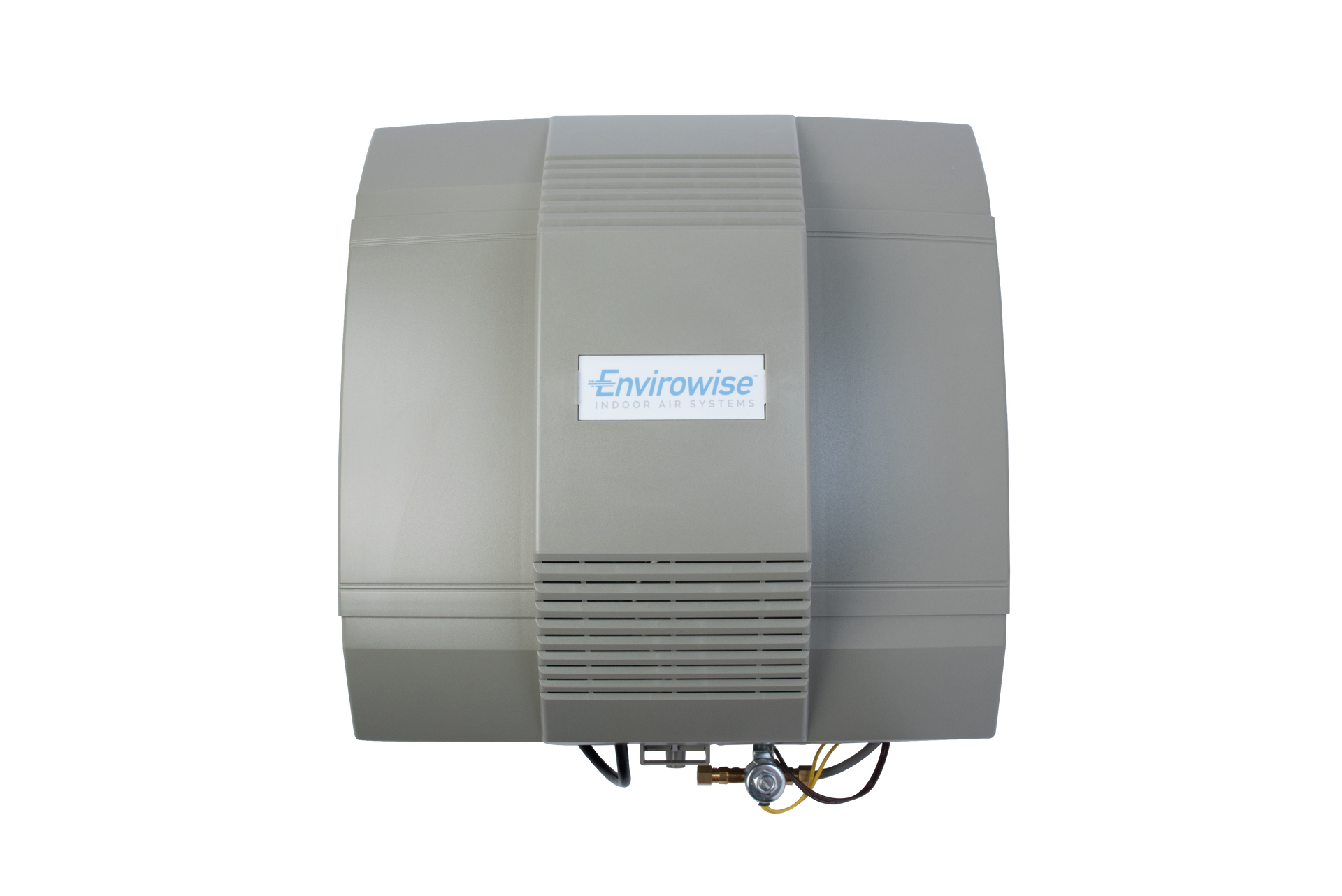
Furnaces 1. How often should I service my furnace? It’s recommended to have your furnace serviced annually, ideally before the heating season begins. Regular maintenance ensures efficient operation and extends the furnace's lifespan. Check out our coupons on Briarwood’s website for savings! 2. How do I know if my furnace needs repairs? Common signs include strange noises, uneven heating, high energy bills, frequent cycling on and off, or a yellow pilot light (if applicable). Call Briarwood if you notice these issues. 3. What size furnace do I need for my home? The size depends on your home’s square footage, insulation, climate, and energy efficiency. An HVAC professional can help to determine the correct size. If you are in need of an estimate to replace your furnace, Call Briarwood for a no cost estimate in your home. 4. What’s the average lifespan of a furnace? A well-maintained furnace typically lasts 15-20 years. Regular maintenance can help achieve or exceed this lifespan. 5. Should I upgrade to a high-efficiency furnace? High-efficiency furnaces (with AFUE ratings of 90% or higher) can lower energy bills and reduce your carbon footprint. Consider the upfront cost versus long-term savings when deciding. 6. What type of filter should I use for my furnace? The type depends on your furnace model and your indoor air quality needs. Pleated filters offer good filtration for most homes. Check the owner’s manual for compatibility. Another option is electronic air cleaners like the Aerus Air Scrubber designed by NASA. Humidifiers 1. Why do I need a humidifier? Humidifiers add moisture to dry indoor air, which can prevent dry skin, alleviate respiratory issues, and protect wooden furniture and floors from cracking. 2. What types of humidifiers work with furnaces? Furnace-compatible humidifiers include bypass, fan-powered, and steam humidifiers. Each type has its advantages; consult with Briarwood for a professional to determine the best option for your home. 3. How do I maintain my furnace humidifier? Included in your Furnace clean and check from Briarwood is cleaning your humidifier, drain lines and changing the evaporator pad. 4. What’s the ideal indoor humidity level in winter? Aim for 30-50% relative humidity. Levels below 30% can cause dry air, while levels above 50% may encourage mold and dust mites. 5. Can a humidifier damage my furnace? Properly installed and maintained humidifiers won’t damage your furnace. However, neglecting maintenance can lead to leaks or mineral buildup, potentially causing issues. 6. Do I need a humidifier if I have a high-efficiency furnace? High-efficiency furnaces often dry out the air more than older models. A humidifier can improve comfort, even in homes with modern heating systems. General Questions 1. Can I run my furnace and humidifier simultaneously? Yes, they are designed to work together. The furnace heats the air, and the humidifier adds moisture, improving overall comfort. 2. How do I know if my home is too dry? Signs of dry air include static electricity, dry skin, irritated sinuses, and cracking wood. A hygrometer can measure indoor humidity levels. 3. What should I do if my humidifier or furnace isn’t working? Check for common issues like power supply problems, clogged filters, or incorrect thermostat settings. If the problem persists, contact Briarwood Heating and Cooling to schedule one of our top notch technicians to repair your system. 4. Can I install a furnace humidifier myself? While it’s possible for handy homeowners, professional installation ensures proper setup and avoids potential issues. It may also preserve warranties. This FAQ is designed to address common questions and concerns related to furnaces and humidifiers. For more specific issues or guidance, consult Briarwood Heating and Cooling at 248-299-8126 . We have been proudly serving Rochester, Shelby Twp, Sterling Heights, Lake Orion and surrounding areas for over 25 years!





